INTRODUCTION
Dengbêj and stranbêj
Lamentations and stories, legends and epics, in Kurdistan, are mainly sung by the dengbêj: men and women whose singing style is particular.
Dengbêj: troubadour, storyteller
From deng: "voice", and -bêj: "to say".
Stranbêj: singer
From stran: "song, melody", and -bêj: "to say"
HIJAZ MODE
POETRY
Here is the translation into French of the poem of this song:
Ahmedo, my clarity, my dear,
You are neither lord nor doctor
Young boy, you are neither lord nor doctor
In my heart, I who am a poor man of God
There is a rain of spring rains
The months of May, April and March
On my chest, I who am a poor man of God
You are neither poured nor rain
Ahmedo, my clarity, my dear,
My name is Besna
Young boy, my sorrow
My name is Besna
My fingers are full of pearls
My chest, I who am poor of God
It is like a cottage and a palace at your disposal
Guide your flock of goats in it
With my own will, I have given you permission
Translated by Sara Anter Cecen
RHYTHM AND IMPROVISATION
DENGBÊJ SINGING STYLE
The specificities of this singing style, the work of vocal ornamentations and the sources of teaching.
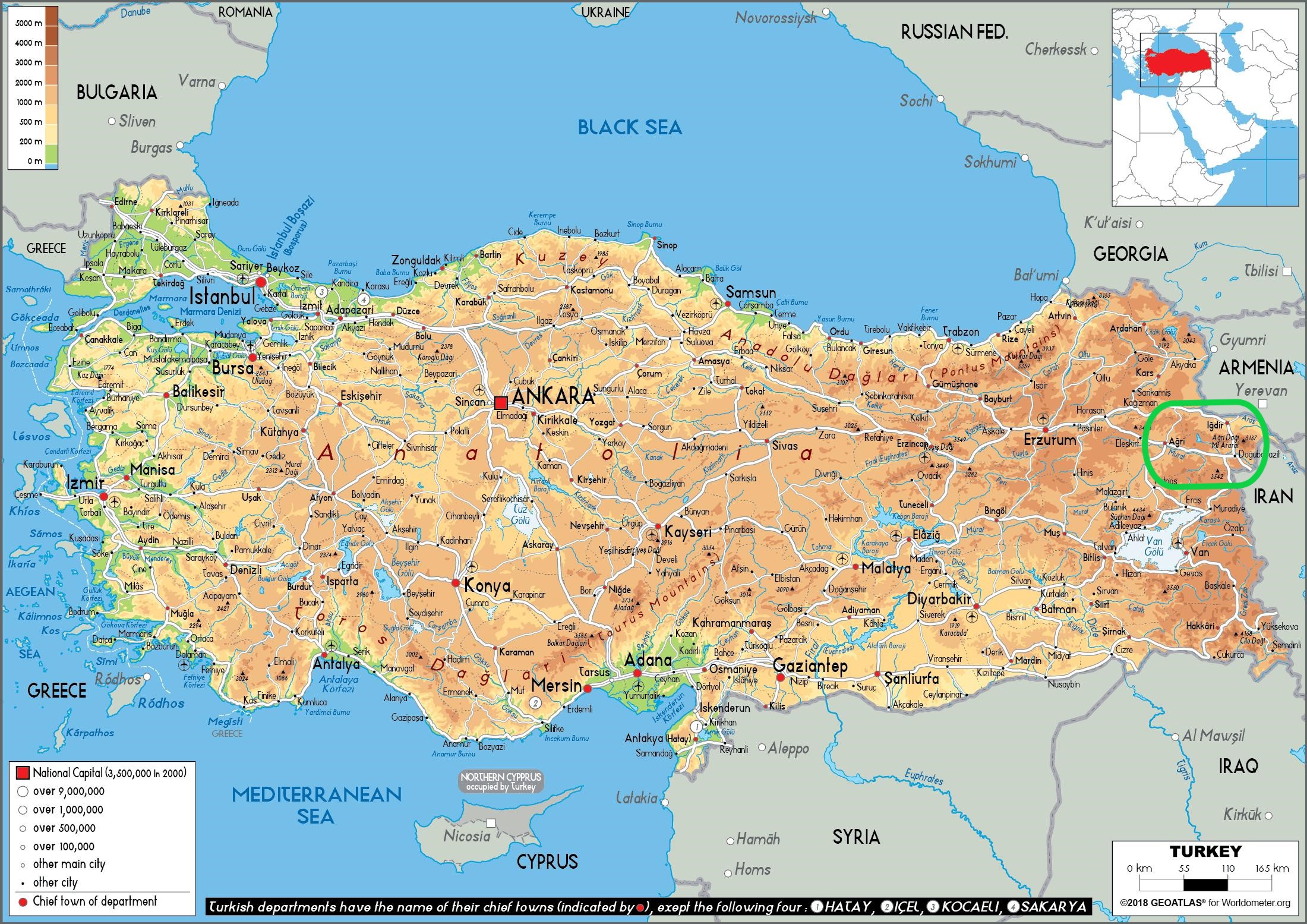
Nizamettin Ariç is a Kurdish musician and filmmaker, born in 1956 in Ağrı in western Turkey. He learned dengbêj singing as a child but only sang publicly in Turkish during the early years of his career. In 1979, after being arrested for singing in Kurdish at a concert, he went into exile in Berlin, where he continued his career as a singer and director (A Song for Beko, 1992, was one of the first films made in Kurdish).
Musical and cultural context of Kurdistan: the role of the Dengbêj