Association DROM
24 rue de Gasté
29200 Brest
09 65 16 71 21
recherche@drom-kba.eu


Educational portal for Modal Music

Espagne

Jota and polka-mazurka

  • Genre :
    Dance music
  • Tradition :
    Tradition of Eo-Navia
  • Piece name:
    Jota et polka-mazurka
  • Specifics:


Eo-Navia, border and transitional land between the territories of Asturias and Galicia, is the cradle of a specific traditional repertoire of dance music.

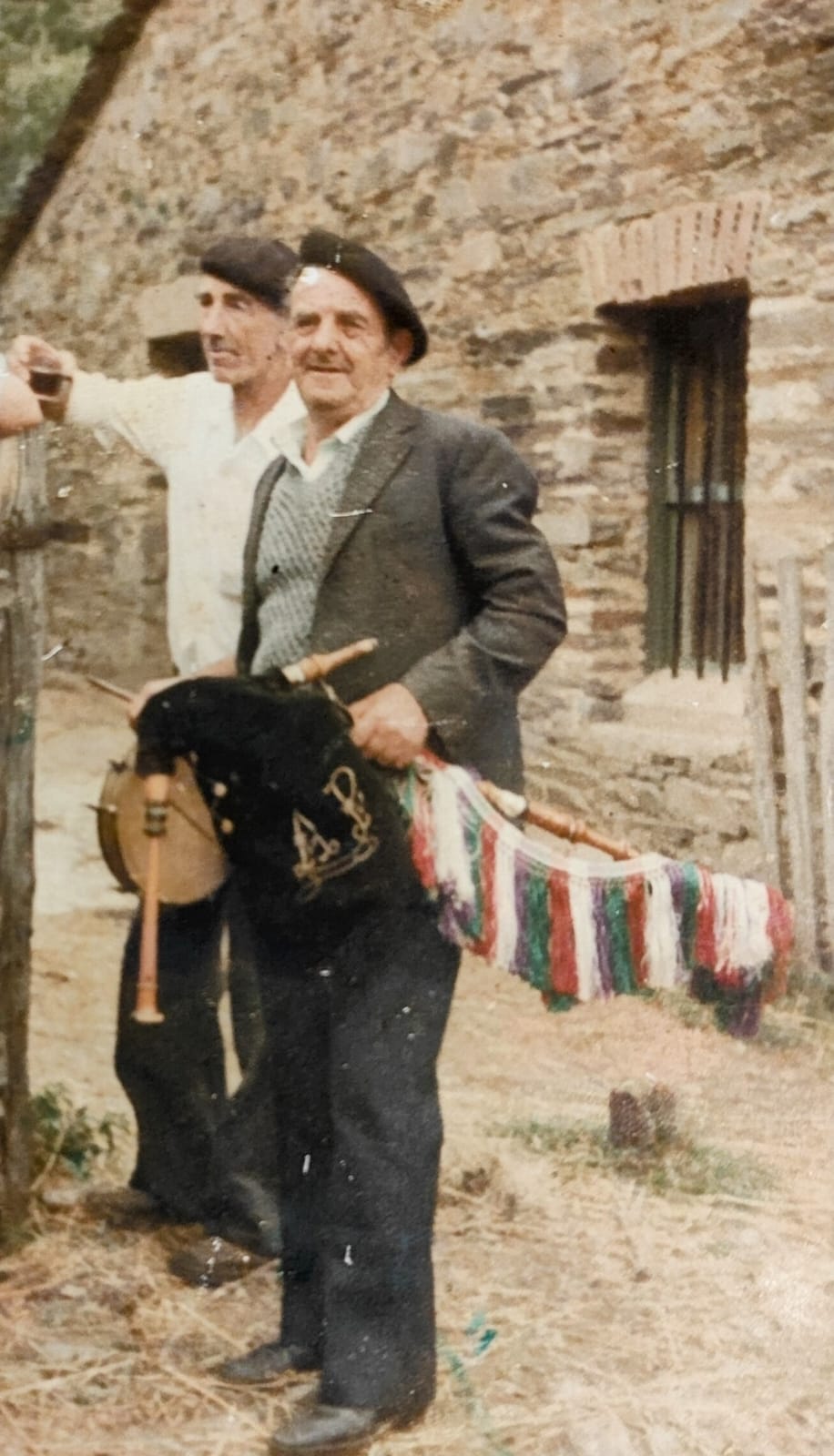
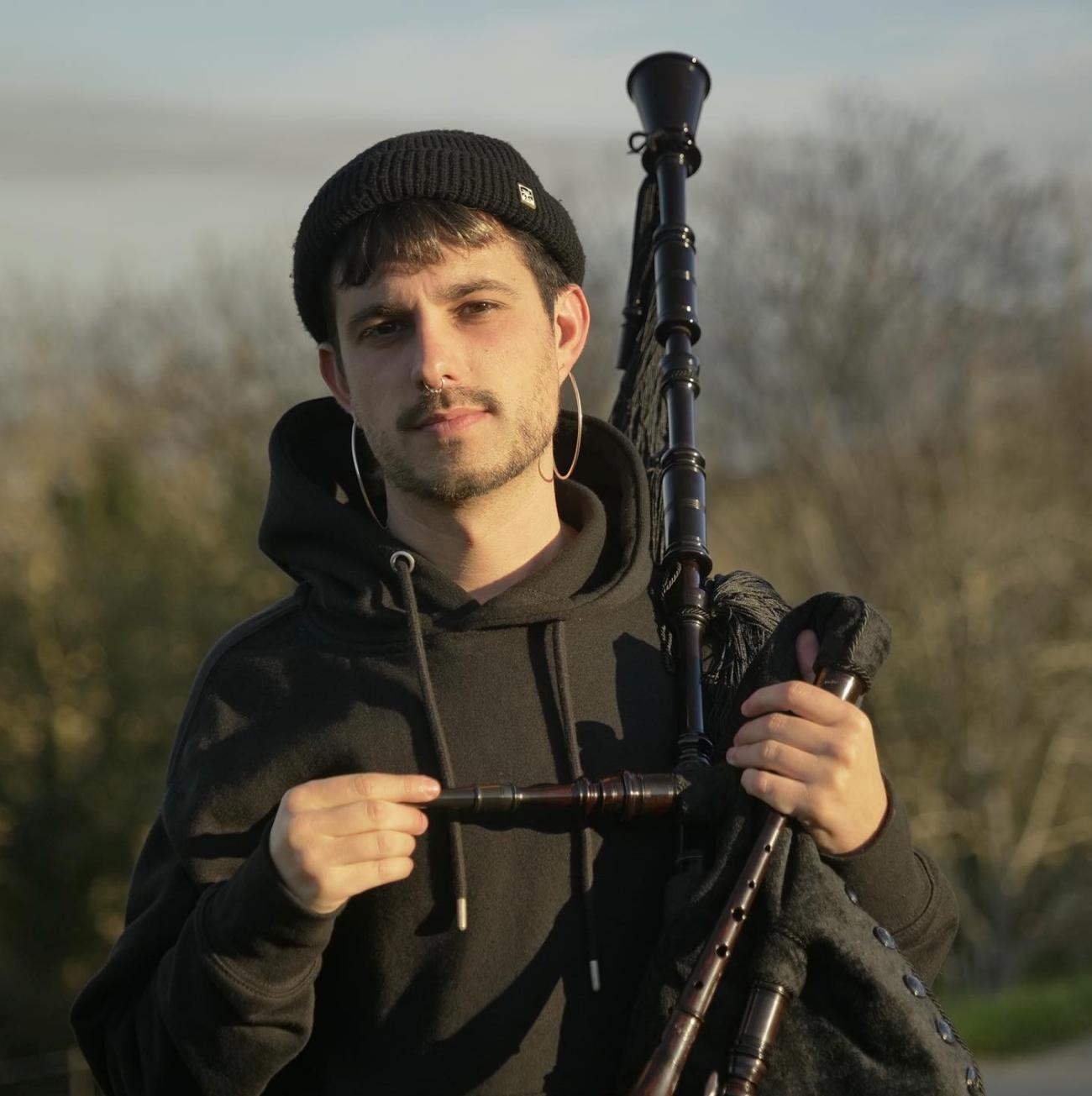
The musician and analyst Andrés Rodrígues presents a Jota and polka-mazurka performed by Alejandro das Nenas, accompanied on the drum by Venancio de Escaleira.

Recording: Fernando Rodríguez Pérez “L.luarca”
Archives: Xurgar nas Costumes - Location: Barcia, Santalla d'Ozcos, Asturias - Year: 1987
Authorization: Fe Santoveña Zapatero, current owner of the archives after the death of Fernando Rodríguez.
General presentation

Presentation of the music of the Eo-Navia


The Eo-Navia, border area and transitional land between the territories of Asturias and Galicia.

The bagpipe and the song: essential elements in the preservation of modal repertoires in the Asturian and Galician tradition linked to the isolation of the mountain territories.

How, through scales and rhythms, can we define a modality in traditional music on the border between Asturias and Galicia?

  • the modes in the music of the Eo-Navia: the microtonal scales

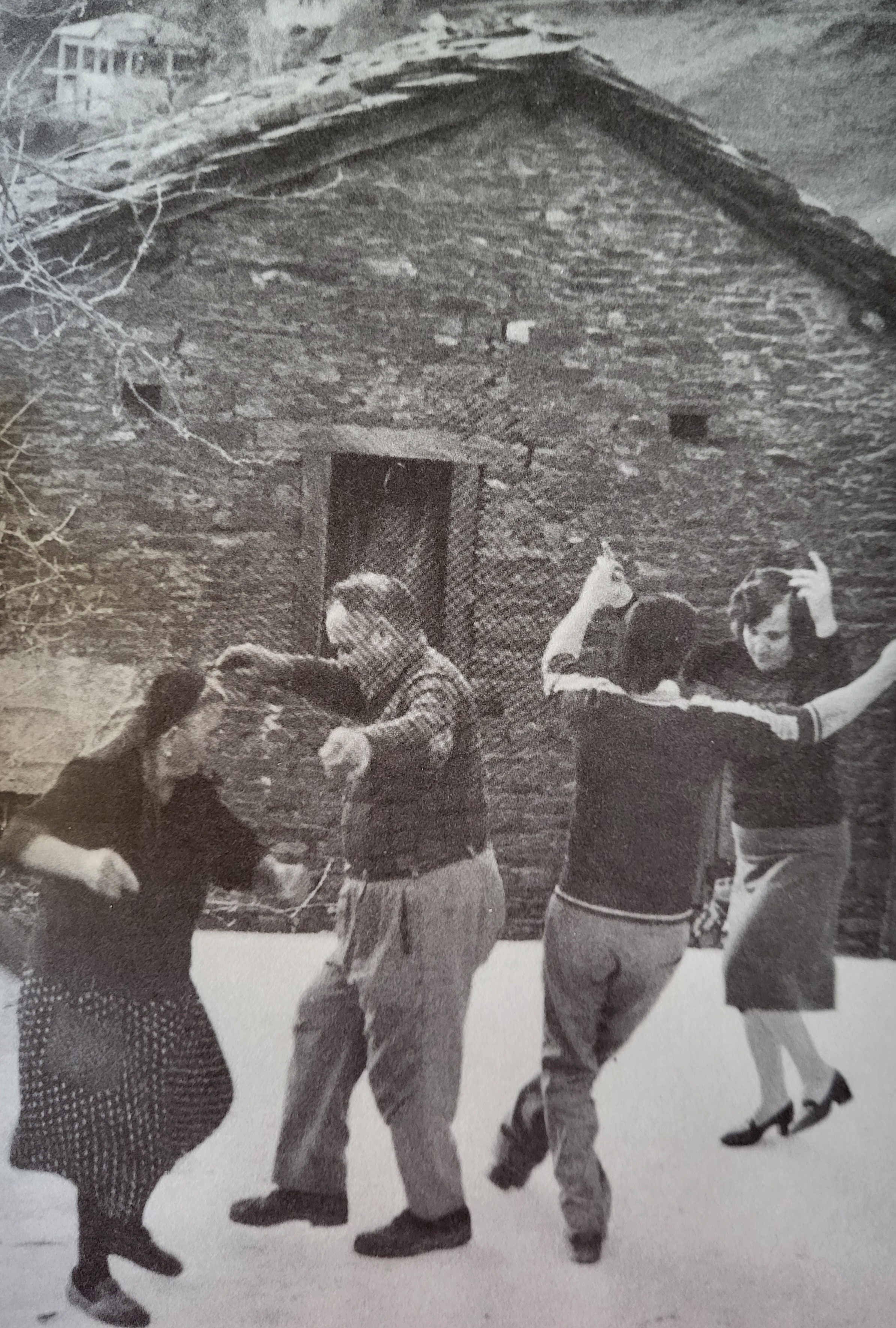
  • the ornamentations and ancient rhythmic structures; dances and description of the jota and the polka-mazurka.

The jota dance (rhythm in 3/4) and the link with the muñera dance (in 6/8)

Structure of the work

Study of the recording

Study of the recording of Alejandro Das Nenas, dissection of the two themes that make up the recording to be analyzed.
Presentation of the recording:

General commentary on the play, general structure in three parts:

Study of the piece

The study of the piece (three different parts, in this area it is important to know that this dance piece has three parts and not two as in other neighboring territories) and the analysis of the polka-mazurka (three parts, break in rhythm in the third part).

Study of the jota

First part: analysis and musical play

Part Two: Analysis and Musical Play

Part Three: Analysis and Musical Play

Conclusion of the jota study:

Study of the polka-mazurka

General presentation:

Part One: Analysis and Musical Play

Part Two: Analysis and Musical Play

Part Three: Analysis and Musical Play

Ornamentations

The importance of ornamentations

Comparisons

Comparison 1

Polka-mazurka, also said polka-vella

Artist : Nela de Bres

Recording: Xosé Antón Fernández Martínez “Ambás”
Archives: ATOAM - Location: Bres, Taramunde, Asturias - Year: 2009
Authorization: Xosé Antón Fernández Martínez “Ambás”

Comment :

 Comparison 2

Let's listen and watch the same polka-mazurka as our main work, also played by Alejandro das Nenas at the entrance of his house, in video

Comment :

Comparison 3

A jota dance, played by Alejandro das Nenas and danced by Venancio de Escaleira, who here does not play the drum but dances!

Musical universe

Traditional music in Asturias and Galicia

The specific case of the Eo-Navia transition zone

Cultures, languages, economy in Eo-Navia: a territory of transition and living traditions

Ancient and modern gaitas

Organology, playing, scales

Ancient gaïtas: first of all a gaïta in D, with very rich harmonics:

Then a reproduction of an old gaita from the Eo-Navia:

Ancient gaitas and modern (tonal) gaitas: comparison between scales and games:

Retour